
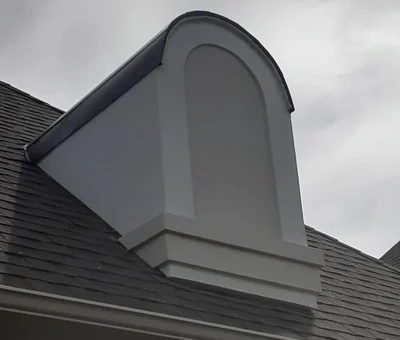




Quick Answer: Stucco Moulding Repair & Painting Costs in Toronto
Stucco moulding repair in Toronto costs $50–$150 per linear foot, with a $600 minimum. Painting runs $6–$18 per linear foot. A typical project combining repair and painting for the mouldings around 4–6 windows comes in at $2,000–$5,000.
I'm Chad, co-owner of Home Painters Pro. When you call us, you're talking to me — not a call centre, not a sales rep. I've personally handled over 1,500 painting projects across Toronto in 20+ years. I walk through every quote myself and make sure the work gets done right.
I'm Chad Caglak, owner of Home Painters Pro. Stucco moulding work is one of those jobs where the difference between a pro and a handyman is night and day. I've restored decorative stucco on hundreds of Toronto homes—from century-old heritage properties in Rosedale to modern builds in Vaughan—and I'll break down exactly what this work involves and costs.
Stucco Moulding Repair & Painting Pricing
Repair Costs
| Service | Cost |
|---|---|
| Minor repair (cracks, small chips) | $50–$90 per linear foot |
| Major reconstruction (crumbled sections, missing pieces) | $90–$150+ per linear foot |
| Minimum project charge | $600 |
Painting Costs
| Service | Cost |
|---|---|
| Standard moulding painting | $6–$12 per linear foot |
| Complex moulding / extensive prep | $10–$18+ per linear foot |
Combined Project Examples
| Project | Typical Cost |
|---|---|
| Repair + paint mouldings around 4 windows | $2,000–$3,500 |
| Full home moulding restoration (8–12 windows + door surrounds) | $4,000–$8,000 |
| Heritage home detailed restoration | $6,000–$12,000+ |
All prices are estimates. HST extra. We provide fixed-price quotes after on-site assessment.
Types of Decorative Stucco Moulding
Not all stucco mouldings are the same, and the type you have affects repair cost and approach:
Window surrounds — The most common. These are the decorative frames around your windows. They can be simple flat bands or elaborate multi-profile designs with keystones and sills.
Door surrounds — Similar to window surrounds but typically larger and more ornate, especially on front entries. These take the most abuse from foot traffic and door operation.
Cornices and eave details — Decorative trim along the roofline. These are exposed to the most weather and often deteriorate first.
Quoins — The decorative corner blocks on the edges of your home. They add a classic architectural look and are usually a simpler repair.
Band courses — Horizontal bands that run across the facade, often separating storeys. Common on older Toronto homes.
Keystones and medallions — Decorative centrepieces above windows or doors. These require the most skilled sculpting work to repair.
Most modern stucco mouldings (post-1990) are made of an EPS foam core coated with a cement-based finish. Older mouldings may be solid cement or a lime-based stucco over wood lath. The material matters because it determines the repair approach.
Common Stucco Moulding Damage in Toronto
Toronto is brutal on stucco. Here's what I see on almost every job:
Cracking
The number-one issue. Small hairline cracks are normal and cosmetic. But when cracks widen past 1/8 inch or form spider-web patterns, water is getting in and the damage will accelerate through freeze-thaw cycles. Every winter makes it worse.
Crumbling and Spalling
When the cement coating starts breaking away in chunks, the foam core underneath is exposed. Once that happens, water and pests get in, and deterioration speeds up fast. This is the stage where most homeowners call us—they can see pieces literally falling off.
Water Damage and Staining
Discolouration, dark streaks, and efflorescence (white mineral deposits) indicate water penetration. The moulding itself may still be structurally sound, but it looks terrible and the underlying issue needs addressing before painting.
Impact Damage
Ladders leaned against mouldings, tree branches, hail, even baseballs—I've seen it all. Impact damage usually creates a localized break that's relatively straightforward to repair if caught early.
Separation from the Wall
When mouldings pull away from the building surface, it's usually due to failed adhesive or water getting behind the moulding and freezing. This needs to be re-adhered properly before any cosmetic work.
Our Stucco Moulding Repair Process
This isn't a patch-and-paint job. Proper stucco moulding repair is part construction, part sculpture. Here's how we do it:
Step 1: Assessment
I inspect every moulding on the home, document the damage, and determine whether each section needs minor repair, major reconstruction, or just cleaning and painting. You get a detailed quote broken down by area.
Step 2: Remove Damaged Material
We carefully cut away all damaged, loose, or compromised material back to solid substrate. Half-measures here mean the repair fails within a couple of years. We remove everything that's not structurally sound.
Step 3: Rebuild the Core
For sections where the foam core is damaged, we shape new EPS foam to match the original profile and bond it to the existing structure. On older solid-stucco homes, we use wire mesh and build up layers.
Step 4: Sculpt the Profile
This is the skilled part. We apply specialized polymer-modified cement in thin layers, sculpting each one to match the exact profile of your existing mouldings. It takes multiple passes with drying time between each. Rushing this step is how you end up with lumpy, obvious repairs.
Step 5: Texture and Finish
The final coat is textured to match the surrounding stucco surface. When done right, you genuinely cannot tell where the repair starts and the original ends.
Step 6: Curing
Cement needs proper curing time—typically 7–14 days depending on weather—before painting. We schedule the painting phase accordingly.
Painting Stucco Mouldings After Repair
Once repairs are solid and cured, painting protects the work and pulls the whole look together. Here's our painting process:
- Cleaning — Power wash or hand-wash all mouldings to remove dirt, mildew, and chalk
- Priming — Apply masonry primer to all repaired areas and any bare stucco. This seals the porous surface and ensures even paint absorption
- Caulking — Seal all joints between mouldings and the wall surface to prevent water infiltration
- Painting — Two coats of 100% acrylic latex paint using thick-nap rollers for textured surfaces and brushes for detail work. We get crisp, clean lines between moulding colour and wall colour
The right paint matters. Cheap paint on stucco cracks, peels, and fades within 2–3 years. We use premium acrylic that flexes with temperature changes and holds up to Toronto's UV exposure and weather.
Toronto Heritage Homes and Decorative Stucco
Many of Toronto's most beautiful homes—in the Annex, Rosedale, Lawrence Park, Forest Hill, and throughout Vaughan and Richmond Hill—feature decorative stucco work that's part of the home's architectural character. This work deserves specialist attention.
Heritage stucco mouldings often have profiles that aren't manufactured anymore. When sections are damaged, they need to be hand-sculpted to match. That's exactly what we do. We've restored mouldings on homes over 100 years old, matching profiles that are completely custom.
If you're dealing with broader stucco wall damage beyond just the mouldings, check out our stucco repair and painting services. For full exterior projects, see our exterior painting services.
When to Repair vs. When to Replace
Repair makes sense when:
- Damage is localized (a few sections, not the entire perimeter)
- The overall moulding profile is still intact in most areas
- Budget is a concern (repair is 40–60% cheaper than replacement)
- Heritage accuracy matters (matching existing custom profiles)
Replacement makes sense when:
- Damage is widespread across most mouldings
- The foam core has deteriorated beyond repair
- You want to change the moulding style entirely
- Water damage has compromised the wall substrate behind the mouldings
In my experience, about 80% of the stucco moulding projects we quote are repairs, not replacements. Most damage looks worse than it actually is structurally.
Related Services to Consider
If your mouldings need work, chances are other exterior elements could use attention too:
- Stucco wall repair and painting — Address wall cracks and damage at the same time
- Exterior painting — Paint the entire exterior while scaffold or ladders are already set up
- Foundation parging repair — Fix deteriorating parging on your foundation walls
Bundling exterior work saves money on setup and equipment costs.
Get Your Stucco Mouldings Restored
Cracked, crumbling, or faded stucco mouldings drag down your entire home's curb appeal. The good news is that professional repair and painting can make them look brand new—often for a fraction of what homeowners expect.
Call me directly at (416) 875-8706 or request your free quote. If I don't answer right away, I'll get back to you as soon as I can.
Frequently Asked Questions
Minor repairs run **$50–$90 per linear foot**, major reconstruction is **$90–$150+ per linear foot**, with a **$600 minimum** project charge. The cost depends on the complexity of the moulding profile and the extent of the damage.
Painting stucco mouldings costs **$6–$12 per linear foot** for standard profiles and **$10–$18+ per linear foot** for complex or heavily detailed mouldings that need extensive prep work.
Toronto's freeze-thaw cycles are the main culprit. Water gets into small cracks, freezes, expands, and breaks the stucco apart over time. Impact damage (ladders, balls, debris), settling of the house, and age also cause deterioration. Poor original installation accelerates everything.
In most cases, we can repair rather than replace—even badly damaged sections. We rebuild the core with foam and sculpt new cement layers to match the exact profile. Repair is usually 40–60% cheaper than full replacement and looks identical when done properly.
Yes, heritage homes are a specialty. Many older Toronto homes—especially in neighbourhoods like Rosedale, the Annex, and Lawrence Park—have intricate stucco detailing that requires careful restoration. We match original profiles exactly, even discontinued patterns.
A typical repair project takes 2–5 days depending on the extent of the damage and how many linear feet we're working on. The cement needs proper curing time between layers, which is why we can't rush it.
100% acrylic latex paint—always. It's flexible enough to handle Toronto's temperature swings without cracking, it breathes so moisture can escape from behind the stucco, and it holds colour well. We always prime with a quality masonry primer first.
Absolutely. Always repair first, then paint. Painting over damaged stucco just hides the problem temporarily and the damage will show through within a season. Get the repairs done right, then protect everything with a proper paint job.